
Incident response readiness, done right.
Incident response readiness shouldn't be a periodic assessment, but a capability your team owns and improves, continuously. We built Cymph for the teams who know the difference, and want to do something about it.
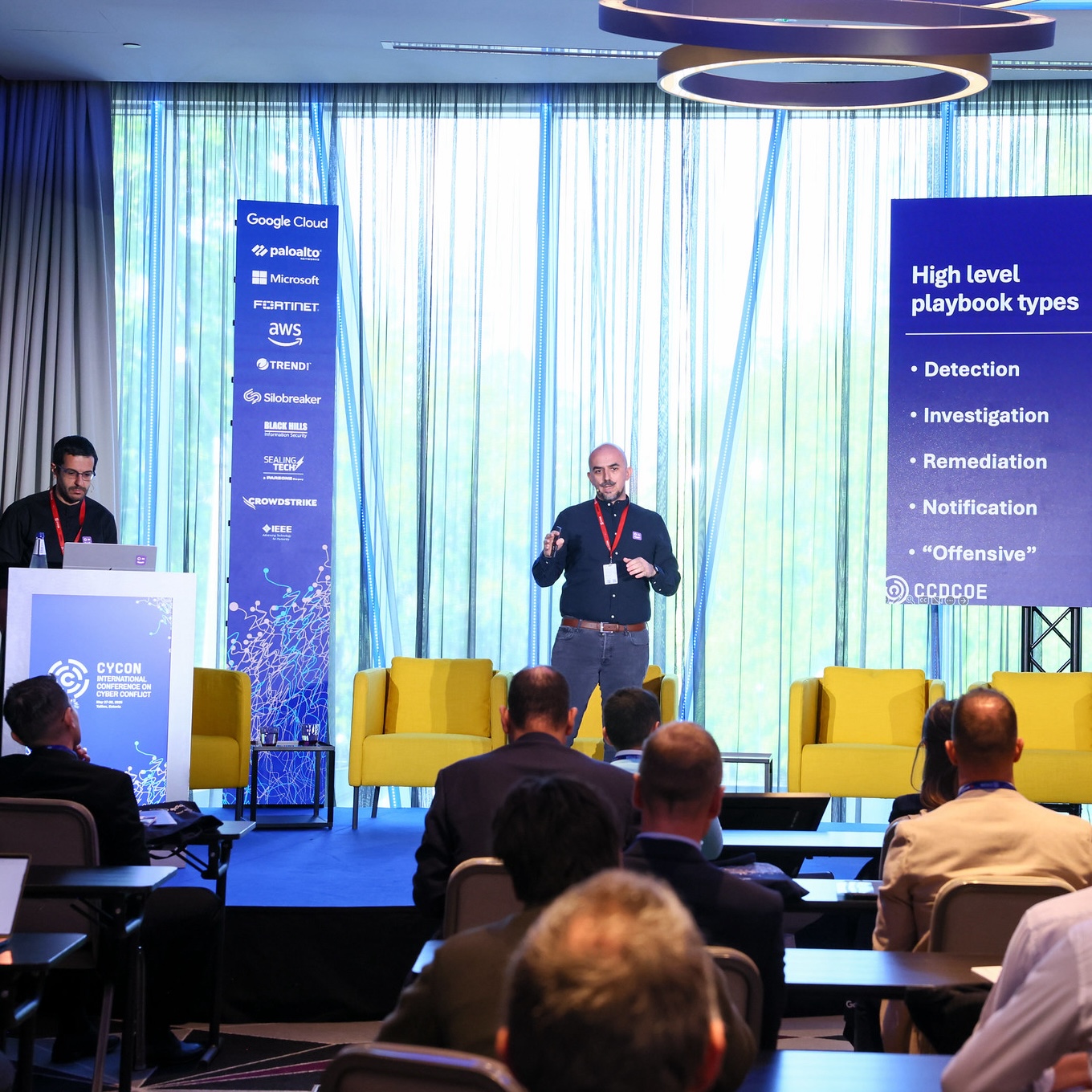
Cymph was born from the need for a better way
The founders of Cymph spent years working across the cybersecurity industry. Throughout those years, talking to incident responders, SOC teams, and security professionals, one gap kept surfacing: visibility into incident response readiness.
Security teams have no clear, continuous picture of where they stand, and no effective way to act on it once they do. Not because those teams aren't capable. But because readiness does not exist in individual tools, it falls among them.
The more conversations they had, the clearer the conviction became: security teams deserve better. Better visibility into their response readiness. Better ways to close the gaps. And ultimately, the ability to face whatever comes next with confidence.
That's the problem Cymph was built to solve.
A few things we think the industry gets wrong
Incident readiness is an operational discipline
Too many teams treat it as a compliance checkpoint to demonstrate periodically. We think it should be embedded in how the team operates, not pulled out only for audits.
Visibility comes before everything else
You cannot close gaps you cannot see. You cannot improve what you are not measuring. Knowing your response coverage is not a nice-to-have. It is the starting point.
Manual and automated procedures deserve equal treatment
SOARs have their place. But the full picture of how a security team actually responds to an incident includes every SOP, every documented procedure, every step that a human follows. Ignoring that half is not a solution.
Vendor lock-in narrows your readiness picture whether you notice it or not
Tools that only show you what they can see are not neutral. They have a point of view, and it is not yours. Security teams deserves tools that work across their entire stack and give them the full context.